


Car Wax
What is Car Wax
Car waxing is a process of applying a protective layer of wax onto a vehicle' s exterior surfaces, primarily the paintwork. The purpose of car waxing is to enhance and preserve the appearance of the car' s paint, providing a glossy finish and protecting it from various environmental elements.
Advantages of Car Wax
Anti-scratch coating
As a car owner, you know that you can't completely avoid scratches and other minor paint imperfections. Most scratches occur in the outermost layer, called the clear layer of your car's paint. These are caused by improper washing, rough rubbing, etc.
Protection from sun damage
The outer layer of your vehicle's coating is most exposed to the sun's harmful UV rays. Overexposure to these harmful rays can adversely affect your car's paint, causing differences in paint tone, spots, and an unsightly appearance.
Dust and bird droppings protection
When you park your vehicle in the shade of a tree, you may run the risk of it being stained by bird droppings. If you don't wash it off quickly, it will dry out and stain your paint. Frequent use can also lead to exposure to dust, which can affect the original paint.
Rainproofing of paint
Excessive exposure to moisture can cause corrosion and negatively affect your car's paint. A wax coating adds a protective layer to your car's existing paint layer, making it less susceptible to damage. It prevents rainwater from getting directly onto the paint.
Keep it shining
Wax coating adds a shiny layer of protection to your vehicle. The natural oils present in car wax enhance the shine and add to its overall appeal
Promotes cleanliness
A protective layer of wax coating keeps the surface smooth for enhanced cleaning. This smooth, smooth surface prevents dust and dirt from sticking to your car. It just builds up on the shiny surface and washes off easily without much hassle.
Why Choose Us
Competitive prices
We offer our products at competitive prices, making them affordable for our customers. We believe that high-quality products should not come at a premium, and we strive to make our products accessible to all.
Rich experience
Has a long-standing reputation in the industry, which makes it stand out from its competitors. With over many years of experience, they have developed the skills necessary to meet their clients' needs.
Quality assurance
In terms of quality assurance, the company strictly follows the standards and norms of the industry quality system. Adopt industry-leading testing equipment to ensure product quality and good reputation.
High quality products
We always put customer needs and expectations in the first place, refine on, continuous improvement, to seek every opportunity to do better, to provide customers with their expectations of quality products, to provide customers with the most satisfactory service at anytime.
Advanced equipment
We take great measures to ensure that we work with the industry' s highest quality equipment and that our equipment is regularly and meticulously maintained.
Professional team
We have a team of skilled and experienced professionals who are well-versed in the latest technology and industry standards. Our team is dedicated to ensuring that our customers get the best service and support possible.
5 Reasons Why You Should Wax Your Car
While waxes and sealants may not protect your vehicle's paint from all scratches, they do provide a small amount of protection against minor scratches that occur due to wear and tear. When applied, car wax provides a thin layer of protection to the clear coat of paint. The wax allows dirt to slide off the body of the car instead of scraping it onto the paint.
Even if you're lucky enough to have a garage to store your vehicle, that doesn't mean your vehicle isn't at risk of exposure. Damage can be caused by driving in the sun, rain, hail, and high winds, as well as by exposing your paint to road salt, UV rays, tree sap, and bird droppings. Over time, oxidation can occur, eating away at the chemicals in the paint, causing it to separate from the car's body. As a result, you may notice the paint peeling or fading. You can protect yourself from some of nature's harshest elements by applying wax regularly. There are many excellent wax and sealant products that offer as much protection as possible.
The reality is that you may never be able to sell your new car for what you paid for it. New cars depreciate over time, but how well you maintain your vehicle may affect how much you sell it for. By using wax products regularly, you can keep your car's body in good condition, and car appraisers can factor this into the decision-making process to determine its value. Your time and effort may be rewarded, and you may have more cash in your back pocket than you expected.
It might be hard to believe that you can save money by spending money on car wax, but it's totally possible. If paint is not maintained, it can fade, peel, and increase the likelihood of rust repair and a full repaint. Instead, if you use a car care product like wax, you can keep your vehicle's paint in pristine condition, reducing the risk of needing these expensive repairs.
The benefits of waxing shouldn' t all be about benefiting future car owners. You can invest in such products just to drive with pride and joy. Wax not only protects your vehicle's paint but also enhances the shine, making it look beautiful and shiny. A small amount of effort can yield some surprising results. Waxing your vehicle is a personal choice, but it's hard not to see its value. From pride in the car to financial gain, the benefits can be far-reaching. If you haven' t been looking for protection and enhancement products for your vehicle, now may be the time to do so.
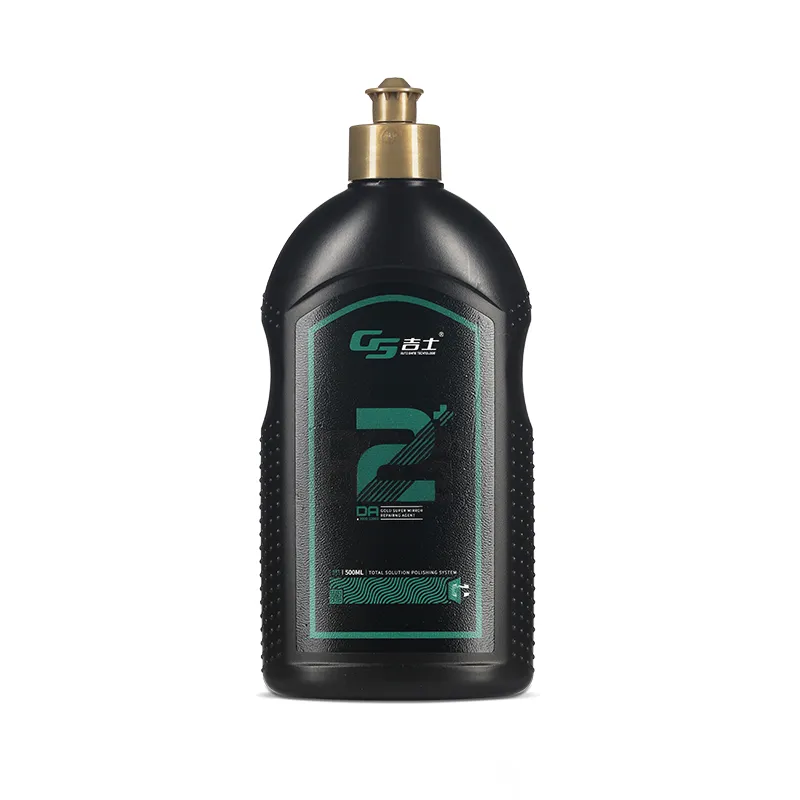
Car polishing
Car polish is a special type of car preparation substance that is required before applying a coating of wax. It usually removes everything that washing can't remove, such as dirt, grease, scrapes, and scratches.
Car polish comes in many forms, including sprays, liquids, creams, and more. Use electric car polish for a faster, smoother finish. However, you must remember that excessive car polishing can adversely affect the existing car paint and expose the primer, making it more susceptible to damage.
Car wax
After proper washing, cleaning and polishing, the next step is to add a noticeable layer of shiny wax to the paint. This acts as a protective layer for the vehicle in question. This wax layer protects your vehicle from harmful UV rays. If there are any serious stains, the wax layer will seal them securely, making them less noticeable and less noticeable.
Waxing can even minimize the risk of corrosion from water exposure during cleaning and rain. Long story short, car wax acts as a paint sealant. Using a good quality car wax will extend its lifespan in the long run. However, it is best to use a thin layer of wax, as too thick a layer will have a negative impact on the car paint.
A good rule of thumb is to wax your vehicle three to four times a year. If you really enjoy taking care of your car, you may need to service it more often. It doesn't matter. You really can' t wax a car too much. But depending on your driving conditions, waxing more frequently may not be necessary. If you choose a synthetic paint sealer, it only requires a few applications. If applied properly, ceramic coatings will last longer. Some are many years old. But if you use high-quality carnauba wax, make it three times a year or more.
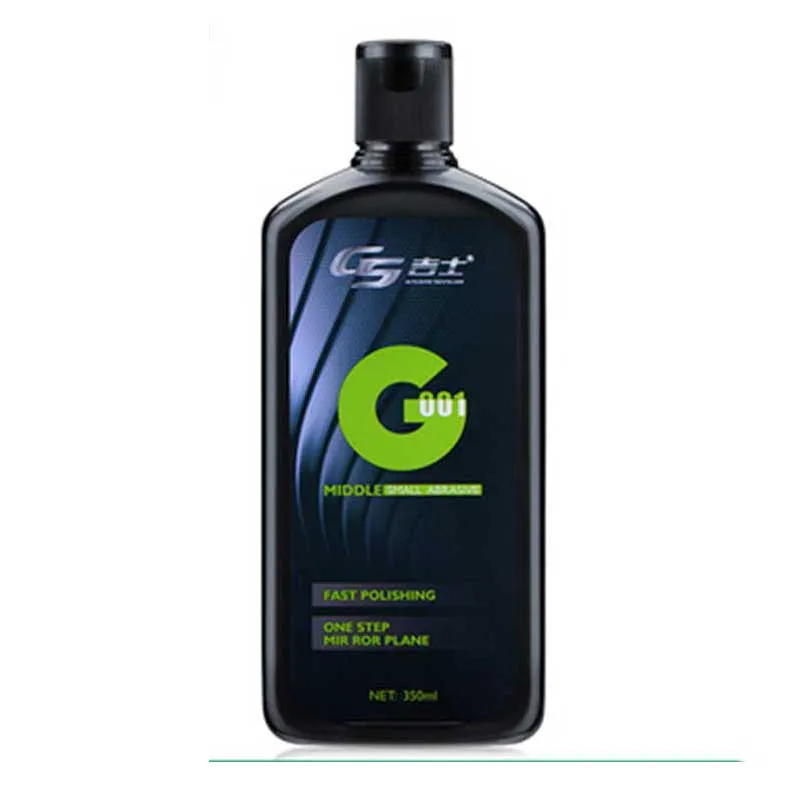
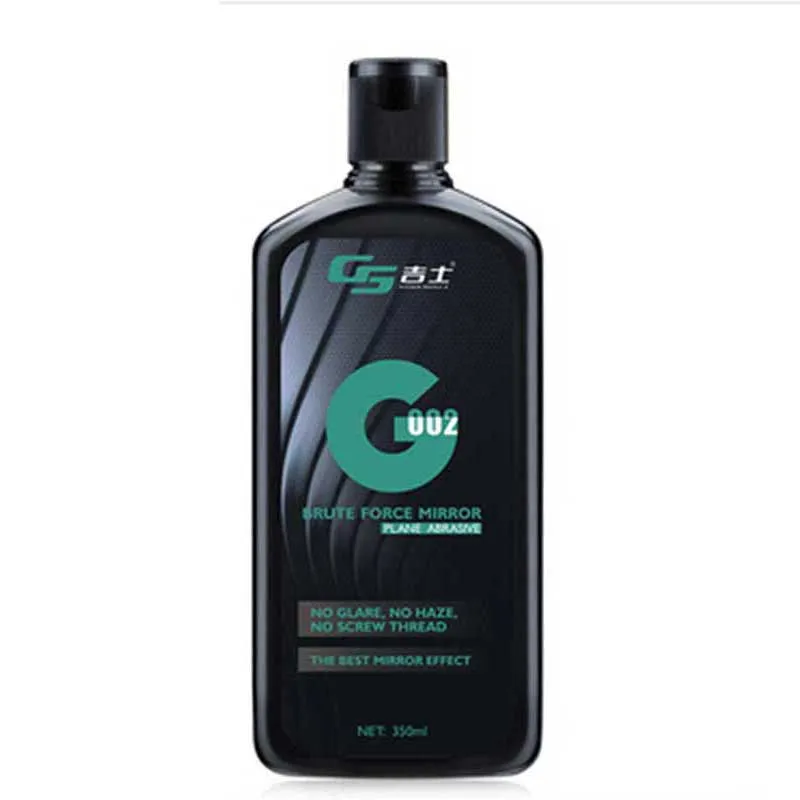
Professionals have the experience and product knowledge to avoid messy applications and damage to your vehicle. A professional might also have the training (and certification) to apply ceramic coatings if that is what you are looking for. Sure, you can wax your car yourself, but the investment in professional detailing that might include minor paint correction prior to wax, sealant, or ceramic application, can pay dividends.
How Car Waxing Works
Surface Protection
Car wax creates a thin, transparent layer on the paint surface that acts as a barrier against contaminants such as dirt, bird droppings, tree sap, road salts, and UV rays. This protective layer helps prevent these elements from directly impacting the paint and causing damage.
01
Enhanced Shine
One of the main aesthetic benefits of car waxing is the enhancement of the vehicle' s shine. The wax fills in microscopic imperfections in the paint, creating a smooth and reflective surface that results in a glossy and deep appearance.
02
Water Beading
Car wax promotes water beading, causing water to form into droplets that roll off the surface rather than sticking to it. This not only contributes to the car' s visual appeal but also makes it easier to clean and maintain.
03
Preservation
Regular waxing helps slow down the oxidation process that occurs on the paint surface over time. This is particularly important for preserving the color and finish of the paint, preventing it from fading or deteriorating.
04
Ease of Cleaning
The smooth, waxed surface makes it more difficult for dirt and grime to adhere to the paint. As a result, washing and cleaning the vehicle becomes easier, and the dirt is more likely to slide off the waxed surface.
05
Choosing the Right Wax for Your Car
Liquid wax. Liquid wax provides an excellent finish and can be buffed by novices or experts for a very smooth look. Liquid wax is also generally very durable, so it doesn't need to be reapplied as often as other products.
Liquid wax is probably the hardest to apply quickly to a paint job. The liquid form is difficult to manage because it's easy to use too much, resulting in a lot of mess and waste. Depending on the type of liquid wax you use, buffing the wax to a good finish before it dries on your car can be a race against time. While it's always better to apply wax in warm weather, using liquid wax can be disadvantageous because liquid wax dries faster.
Apply wax. Paste wax is probably the easiest to apply. The consistency means you can easily apply the right amount of wax without creating a lot of mess and waste like using liquid wax. Paste wax may be a good choice for beginners who are looking for something that doesn't require a lot of skill, in part because wax dries quickly.
Paste wax is very temperature sensitive, making it extremely difficult to apply during the colder months. You always need to apply wax on warm days or in a heated garage. Paste wax doesn't have as good a finish as liquid wax and doesn't always protect paint jobs and other products as well. You do waste a certain amount of wax paste at the bottom of the container because it's difficult to remove.
Spray wax. Spray wax is especially suitable for new cars because the paint is new and shiny. They are very easy to use and have a lighter surface, so they can often be used on a variety of different surfaces on the car, including plastic. Spray waxes are generally less wasteful because you only apply the amount you need, and they are less dependent on warm weather. If you only want to touch up a small area of your car, spray wax is a good option because it's easy to apply. If spray wax lands somewhere you don't want it to, you can wipe it off quickly and easily.
Spray wax is the most superficial of the different wax products. They usually only provide a very thin layer of protection, so they need to be reapplied frequently. Spray wax is not suitable for older cars because older car paint jobs require more care and attention.
10 Uses for Car Wax
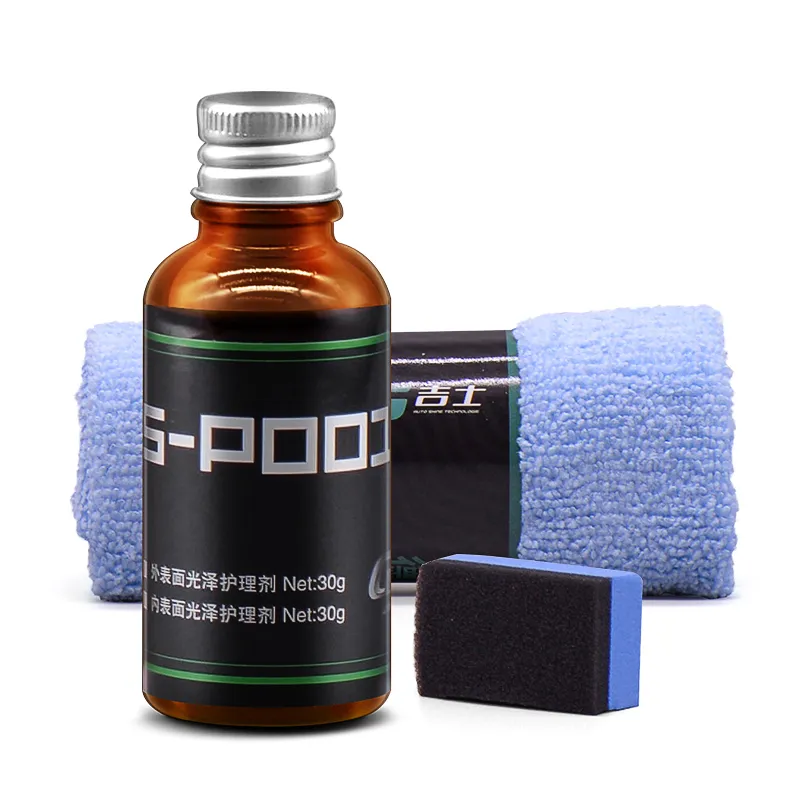

Keep appliances fingerprint-free
Apply a thin coat of car wax to stainless-steel fridges and stoves. Buff clean to resist fingerprints and smudges.
Give faucets a shine
Rub car wax onto kitchen and bathroom metal fixtures to keep them shiny and spot-free.
Unstick hinges
Use car wax to lubricate the hinges of garden shears and scissors.
Fix a skipping CD
Apply a small dab of car wax to a scratched CD and buff it clean using short strokes along the length of the scratch, not across it. Rinse the CD with water, and let it air-dry before playing.
Combat corrosion
Apply a thin coat of car wax to brass door knockers, mailboxes, and other outdoor fixtures to keep them from tarnishing.
Fight mildew
After using your regular cleanser, apply a layer of car wax to the inside and outside of a shower door and buff off with a dry cloth to stave off mildew growth.
Make drawers and windows easier to open
Rub a small dab of
car wax onto the tracks of drawers and windows so they' ll slide more smoothly.
Prevent bumper-sticker residue
Before placing a sticker on your car' s bumper, rub a tiny
bit of car wax onto the area the sticker will cover. Later, it
will peel off easily—no gummy mess to scrape off.
Keep snow from sticking
Shoveling is hard enough when snow is heavy and damp. Apply two thick coats of car wax to the head of a shovel (or to the inside of your snowblower' s chute) to prevent the white stuff from sticking.
Make a mirror fog-free
Rub a thin layer of car wax onto a bathroom mirror and buff it clean. Next time you step out of the shower, you' ll be able to see your reflection without having to wipe away condensation first.
How to Wax Your Car in 5 Easy Steps
Cleaning
Before waxing, wash your car with water and mild soap to remove all dirt particles and prep it. Dirt particles can reduce the smoothness of the coating and cause excess wax to stick, which will make it harder to remove the wax later. Also, dry your car before waxing for best results.
Polishing
For dull paint or scratches, use a polish or rubbing compound before waxing. These compounds are mild abrasives, so they can remove small scratches from the clear coat for a smooth coloration. Use a damp microfiber cloth to wipe the compound off your car, then use another microfiber cloth to wipe off any excess compound.
Preparation for waxing
Purchase a high-quality car wax and read the instructions on the box to see if there are any specific instructions for the wax. Avoid getting wax on the headlights, taillights, or any other area specified in the instructions.
Apply wax
Take a thumb-sized wad of wax on a pad or foam applicator and begin applying it to your car in small circular motions. Apply only a thin layer of product to the car in vertical or horizontal rows (small circles). During the waxing process, you can use a buffer to apply more wax to your car for a more even finish.
Let the wax dry
Let the wax dry as directed on the instructions, then rub the microfiber cloth over the car in a circular motion to remove the wax. If the cloth starts to drag, indicating too much wax has accumulated on it, flip it over and use the other side or use a spare side.
The Dos and Don'ts of Waxing Your Car
Use car wax
Washing your car with soap and water is only the first step in maintaining a clean, pristine clear coat. Waxing it is also important. Wax adds an extra layer of protection, protecting the clear coat and underlying paint layers from moisture, dirt, and debris. Neglecting to wax your car regularly can cause the paint to degrade faster. However, there are some things you should follow when waxing your car to achieve the best results.
Please choose high quality car wax
Not all wax products provide the same level of protection. Some will wear out faster than others, especially when exposed to rain and moisture. For the highest level of protection, it is recommended that you choose a high-quality car wax from a reputable brand. You'll likely pay more for this than cheaper generic brands, but it's a smart investment that will protect your car's paint from damage.
Do not wax in direct sunlight
Why shouldn't you wax your car in direct sunlight? Well, the sun's UV rays actually bake the wax into your car's paint, and you can't wipe it off. When this happens, you may have difficulty removing it with your hands, and your only other option is to polish it. Therefore, you should wax your car in the shade. Whether under a tree or in the garage, choose a shady area to do this activity.
Please apply in circular motions
Instead of applying wax in horizontal stripes to your car's paint, apply the wax in a circular motion. After using this action to add wax to one area of your car, you can move on to the next area. Use a circular motion to ensure the area is completely covered with wax. In contrast, horizontal stripes may leave void areas where little or no wax has been applied.
Don't wax in the rain
You also shouldn't wax your car when it's raining outside. When fresh wax mixes with moisture, it turns into a runny substance that can easily come off your car's paint. That's why it's a good idea to wait until the sun is shining outside to wax your car.
Apply an even coat
Ideally, you should apply an even layer of wax over your car's paint. If one area contains significantly more wax than another, it will fade and age differently, resulting in a dull appearance. To overcome this problem, apply an equal amount of wax to each area of your car's paint.
Our Factory
Guangzhou OPA New Material Technology Co., Ltd. (OPA) was established in 2007. It is an integrated company specializing in the production and manufacturing of automobile beauty chemical products and car washing tools and equipment. The company is a supply chain-level entity enterprise integrating scientific research, development, production and sales.


Certifications

FAQ
Q: What is car wax?
Q: How does car wax protect the paint of a vehicle?
Q: What types of car wax are available?
Q: What is the difference between natural and synthetic car waxes?
Q: What is the difference between liquid and paste waxes?
Q: How often should I apply car wax?
Q: What is the best time of day to apply car wax?
Q: Do I need to prep the vehicle before applying car wax?
Q: How long does wax last on car?
There is no clear-cut answer to this question, but experts say on average, that a good wax should last 2-3 months. Nonetheless, there are still factors that play into the wear and tear of top-tier car wax. Here are a few factors that play into a wax's lifespan!
Q: How often should you wax your car?
In some cases, twice a year is enough. For others, waxing is necessary every three to four months or with the change of seasons. And some people will wax their vehicle as often as every eight weeks. The time interval has a lot to do with the harshness of the environment in which the car lives.
Q: Does car wax damage paint?
Q: Is it better to wax or polish a car?
Q: Is it OK to leave wax on car overnight?
Q: How many coats of wax should I put on my car?
Q: Do car washes remove wax?
Q: Can you put too much wax on a car?
Q: Should you wax your car wet or dry?
Q: Can you clear coat over wax?
Q: Is ceramic coating better than wax?
Q: What happens if you don't rinse wax off car?
We're professional car wax manufacturers and suppliers in China, specialized in providing high quality customized service. We warmly welcome you to wholesale high-grade car wax in stock here from our factory.
Car Engine Shampoo, Car Wash Hose Reel, Tornado Internal Cleaning Gun